Top Tendencies in Sliding Doors: Modern Designs for Every Home
Sliding doors are adapting to fulfill contemporary design needs. Their potential to blend indoor and outdoor spaces has become increasingly prized. Glass options supply a sleek appearance and enhance natural light, while rustic barn doors showcase a unique aesthetic. Homeowners now have various choices and finishes to evaluate. As these trends gain momentum, grasping their effect on utility and visual appeal becomes important. What selections will best suit your space?

The Ascent of Glass Sliding Doors: Why Clarity Matters
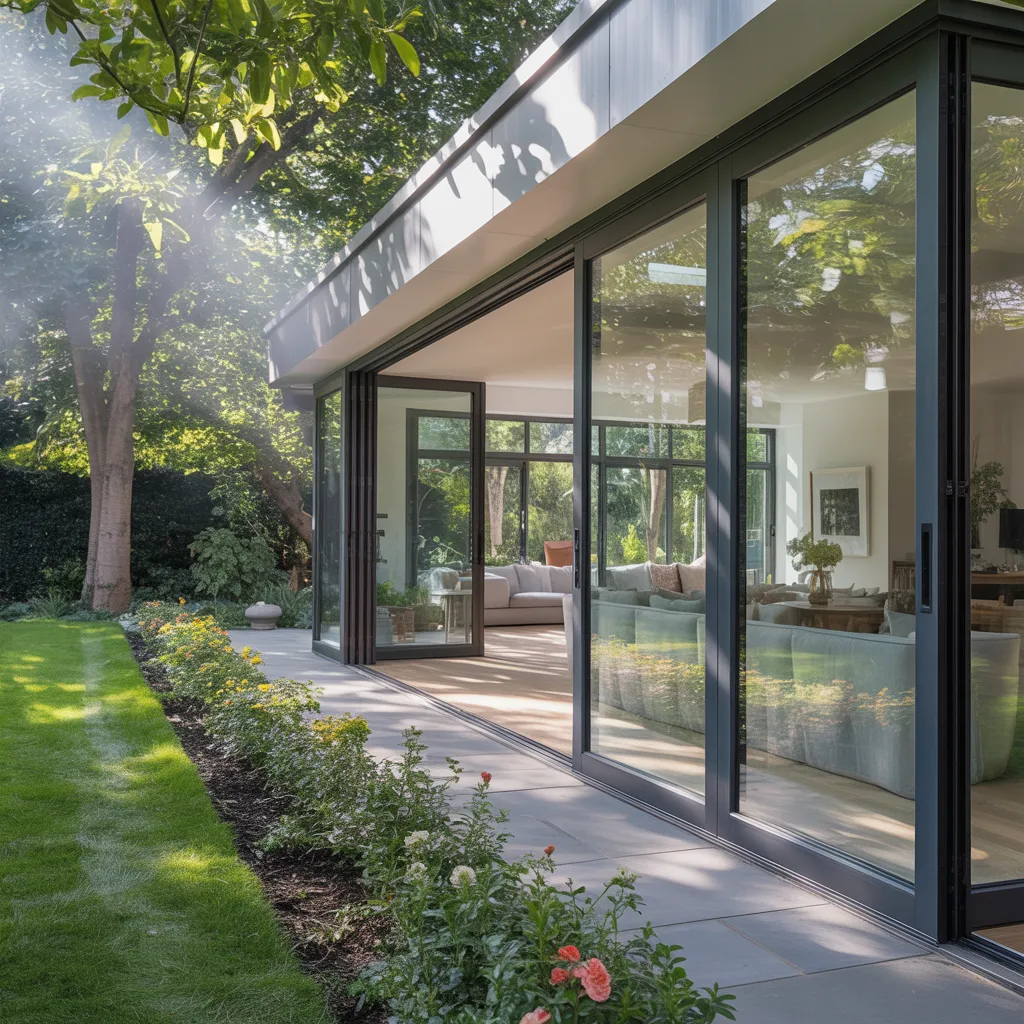
Homeowners are increasingly attempting to merge indoor and outdoor spaces, and the popularity of glass sliding doors has surged. These doors provide a smooth transition, permitting natural light to fill interiors while providing unobstructed views of gardens and landscapes. Their sleek design enhances modern aesthetics, making them a favored choice for contemporary homes.
The implementation of transparent materials promotes a sense of openness, producing an inviting atmosphere that combines living spaces. Homeowners treasure the operational economy that innovative glass options furnishes, with selections including double glazing that insulate against temperature fluctuations. Furthermore, glass sliding doors are available in assorted styles, accommodating varied architectural preferences and styles.
Safety features, such as tempered glass and robust locking mechanisms, ensure security without compromising style. Ultimately, the increase of glass sliding doors reflects a inclination for functional beauty, blending elegance with utility in today's home design landscape.
Embracing Country Charm: The Attraction of Barn Door Designs|Exploring Countryside Beauty: The Elegance of Barn Door Options|Celebrating Pastoral Appeal: The Attraction of Barn Door Looks|Embracing Rural Sophistication: The Fascination of Barn Door Choices
A rustic aesthetic finds an enchanting manifestation in barn door designs, which have grown in popularity in contemporary residential interiors. These doors effortlessly combine functionality and aesthetic appeal, offering a unique focal point in various spaces. Characterized by their solid build and often distressed finishes, barn doors evoke a sense of nostalgia while providing modern practicality.
Usually made from wood, these sliding doors can be personalized in different colors and textures, allowing homeowners to match them with their existing decor. Their space-saving design is especially advantageous in smaller homes, where traditional copyrightd doors might be inconvenient. Barn doors can function as room dividers, closet doors, or even bathroom entrances, enhancing the overall flow of a home.
Barn doors display a rustic aesthetic that provides warmth while fostering a sense of narrative, solidifying their position as an enduring selection for those wishing to introduce personal character into their residential spaces.
Bi-Fold vs. Pocket Doors: Which Is Most Appropriate for Your Space?
Which door type works best for a homeowner's expectations: bi-fold or pocket doors? Both options offer unique advantages, catering to different spatial requirements and aesthetic inclinations. Bi-fold doors consist of multiple leaves that fold backwards against themselves, establishing a generous opening. This structure is ideal for merging indoor and outdoor spaces, enhancing ambient light, and providing a frictionless circulation. They work well in larger environments, such as patios or dining rooms.
In contrast, pocket doors slide into the wall, disappearing completely when opened. This feature maximizes floor space and is ideal for smaller areas, such as bathrooms or closets, where swing space is limited. Pocket doors offer a sleek, minimalist look, enhancing modern interiors.
Ultimately, the decision between bi-fold and pocket doors depends on the particular arrangement and functionality desired in a home. Homeowners should assess their space to determine which style aligns best with their lifestyle and design goals.
Finding the Correct Type for Your Sliding Door: Wood, Aluminum, or Vinyl?
When selecting a glass door, the selection of material serves as an crucial part in both functionality and appearance. Timber offers coziness and a classic appeal, making it a popular choice for traditional settings. In comparison, metal provides durability and a streamlined, contemporary appearance, appealing to contemporary designs.
Wood: Heat And Visual Appeal
Wooden sliding doors offer a distinctive sense of warmth and aesthetic appeal that can transform any space. Their authentic patterns and vibrant colors create an warm atmosphere, making them a popular choice for both contemporary and traditional interiors. The adaptability of wood allows for various finishes, from sleek varnishes to rustic stains, catering to various design preferences. In addition, wood offers excellent insulation properties, enhancing energy efficiency while adding a cozy feel. The tactile experience of wood, combined with its ability to complement other materials, contributes to a calm setting. Moreover, wooden doors can be made in size and style, ensuring a perfect fit for any opening, thereby elevating the overall design of a home.
Aluminum: Long-lasting Quality And Up-to-date Innovation
Aluminum sliding doors display a fusion of durability and modernity, making them an appealing choice for contemporary spaces. Known for their strength, aluminum can withstand harsh weather conditions without warping or rusting, ensuring long-term performance. This material is lightweight yet robust, facilitating smooth operation and ease of installation. Additionally, aluminum's sleek finish complements various architectural styles, enhancing the aesthetic appeal of any home.
Energy performance is also a key benefit, as modern aluminum doors often feature thermal breaks that limit heat transfer. With a variety of colors and finishes available, homeowners can tailor their doors to match their design tastes. Ultimately, aluminum sliding doors provide a functional and attractive solution for anyone seeking to improve their living space.
How Advanced Automated Sliding Doors Can Enhance Your Home's Protection?
Smart sliding doors enhance home security through advanced locking mechanisms that provide greater resistance to unwanted entry. Additionally, many models feature integrated security cameras, allowing homeowners to watch their entry points in real-time. With smooth home automation connectivity, these doors can be operated from a distance, offering reassurance and ease.
State-of-the-Art Locking Mechanisms
Though conventional sliding doors come with basic security elements, current advancements in locking systems have significantly enhanced home safety. Contemporary sliding doors can now be equipped with smart locks that utilize key-free access, fingerprint recognition, or smartphone connectivity. Such features enable homeowners to monitor access remotely and manage who enters their home, adding an extra layer of protection. Certain systems even incorporate automatic locking features that trigger when the door is closed, providing security without manual intervention. Furthermore, multi-point locking systems spread pressure across the door frame, making forced entry notably more challenging. Therefore, advanced locking systems in sliding doors don’t just provide convenience but also significantly enhance overall home security.
Integrated Surveillance Cameras
As homeowners progressively pursue extensive security solutions, integrated security cameras in sliding doors have become an essential feature. These cameras offer real-time surveillance, allowing residents to observe entry points directly from their smartphones or other devices. Through incorporating HD video and night vision technology, these systems enhance visibility and discourage potential intruders. In addition, many models provide activity notifications, ensuring homeowners are quickly notified of any irregular activity. The seamless integration of these cameras with the door design preserves aesthetic appeal while strengthening security measures. Also, recorded footage can act as vital evidence when incidents occur, further emphasizing the relevance of integrated security cameras in modern sliding door designs.
Smart Home Systems
Using smart home technology in sliding doors provides an additional layer of protection that complements built-in security cameras. Smart sliding doors may feature state-of-the-art locking mechanisms that homeowners can control remotely via smartphone apps. This functionality permits homeowners to oversee and secure their entrances from any location, enhancing security awareness. Moreover, many smart doors come with sensors that alert users to unauthorized access attempts through real-time notifications. Automated locking systems can also be programmed to lock at preset times, preventing accidental door-open scenarios. Furthermore, integration with smart home ecosystems allows for efficient coordination with other devices such as alarms and lighting systems, forming a comprehensive security network. In conclusion, smart sliding doors illustrate a modern approach to bolstering home safety.
Improving Exterior Living: Developing Effortless Interior-Exterior Flow
Seamless interior-exterior shifts have become a hallmark of modern design, transforming living spaces into balanced spaces that blur the distinction between inside and outside. This phenomenon is prominently displayed in the use of sliding doors, which enable easy entry to outdoor areas such as patios and gardens. By incorporating large glass panels, these doors not only improve natural light but also provide unobstructed views of the surroundings, creating an inviting atmosphere.
work with any design aesthetic, rendering them a flexible choice
Customization Options: Personalizing Sliding Doors to Suit Your Design Style
The appeal of sliding doors extends beyond their usefulness; customization choices enable homeowners to adjust these elements to their individual aesthetic preferences. Varied materials, such as wood, aluminum, and fiberglass, deliver distinct looks and durability. Homeowners can pick from a selection of finishes, including paint, stain, and natural textures, ensuring that the glass doors enhance their indoor and outdoor designs.
Glass options also play a major role in modification. Homeowners may pick between clear, frosted, or tinted glass to obtain the wanted level of privacy and light transmission. Additionally, hardware finishes and colors, including handles and tracks, can be tailored to create a cohesive look.
At last, residents can investigate special setups, such as bi-fold or pocket doors, allowing for greater flexibility in design. This level of customization guarantees that sliding doors not only boost utility but also display personal flair and preference.
Regularly Asked Questions
How Do Sliding Doors Impact Daylight in a Room?
Sliding doors markedly improve natural light in a room by supplying expansive transparent surfaces, enabling sunshine to travel further into the interior. This illumination creates a brighter, more inviting atmosphere while visually expanding the area.
What Are the upkeep needs for Sliding Doors?
Sliding doors need regular maintenance, such as cleaning tracks to prevent debris buildup, lubricating rollers for smooth operation, and inspecting seals for damage. Regular check-ups guarantee durability and optimal performance in any home environment.
Can Sliding Panels Be Placed in Small Spaces?
Sliding doors are efficiently installed in small spaces, delivering a space-saving solution. Their ability to glide apart rather than swing makes them ideal for tight areas while boosting natural light and convenience.
Do Sliding Doors Offer Energy-Conserving Solutions for Homes?
Sliding doors provide energy-efficient choices for residences, especially find out about this when equipped with double or triple glazing. Their ability to curtail air leakage and maximize natural light contributes to overall energy efficiency and comfort.
How Do I Choose the Right Sliding Door Components?
To pick the suitable sliding door fittings, one should assess weight capacity, material consistency, design aesthetics, and installation ease. Additionally, consulting with professionals guarantees functionality aligns with personal style and protection standards.